
When Getting in the Car Feels Impossible: Therapy for Teens with Driving Anxiety
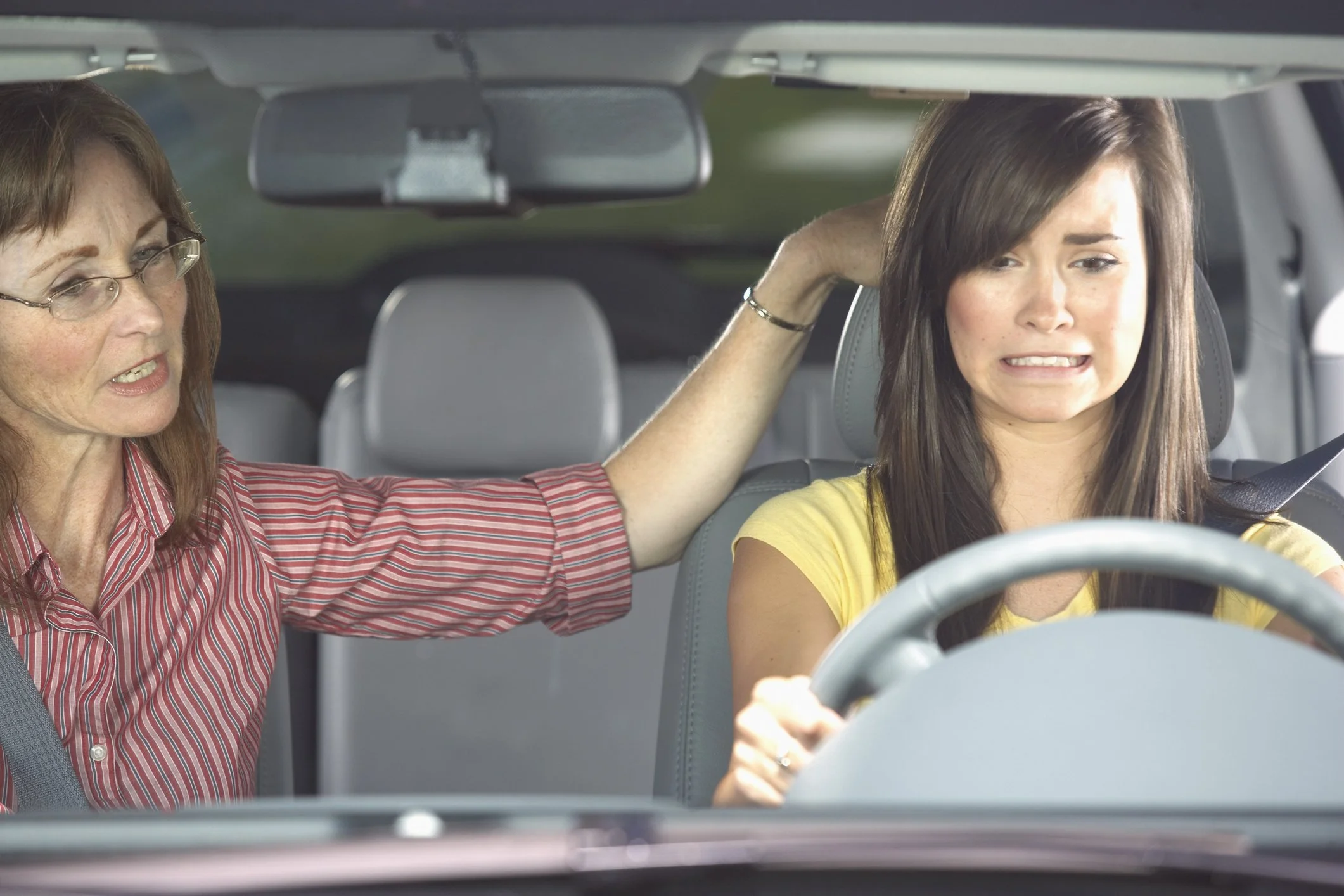
For decades, it was a sitcom trope: the protagonist turns 16, gets her license, and her parents hand her the keys to her very own car, often with a giant bow on top. She picks up her friends and they drive around, thrilled about the freedom that this new privilege has given them. According to the Federal Highway Administration, in 1995, nearly 6 in 10 17-year-olds had a driver’s license. By 2021, barely more than 40% of 17-year-olds had obtained a driver’s license. While there are many factors influencing this change in trends, such as access to ride-share services or the ability to interact with friends online, anxiety about driving also contributes. The insurance company Progressive conducted a survey to discover reasons that teens did not have a driver’s license, and they found that the most reason that teens delayed getting a license was anxiety about driving. For those who delayed getting it for a year or more, almost half reported that driving anxiety was the reason. This is likely to be even more common among teens who already struggle with anxiety in other areas of their life.
Fortunately, there are strategies to help teens feel more prepared to take on the challenge. Below are some tips that can help families support teens in this process.
Validate Your Teen’s Worries about Driving
Driving is a serious responsibility and is not without risk, so some worry is reasonable, especially for new drivers who are learning a new skill. Mild worries may help teens be more vigilant when driving and avoid being reckless. Worry becomes a problem for drivers, both new and experienced, when it causes impairment in some way. For example, focusing on worry may be distracting. Additionally, people who are worried about driving may avoid doing so, which limits their practice and their opportunity to improve that set of skills. Regardless of whether the worry someone is experiencing is helpful for unhelpful, it is understandable, and that is an important message to communicate to new drivers. If a teen is avoiding learning because of anxiety, parents can try telling them that they understand being worried, as this is a new experience and comes with some risks. They can then try to communicate the importance of practice so they can learn to accept these fears and build confidence. Sending the message to teens that they have nothing to worry about is well-meaning, but the message that it often sends instead is that their worries are not valid. It is important to try to avoid sending unintentionally invalidating messages such as these.
Avoid Reassurance While Providing Information about Driving
Parents often struggle with seeing their children in distress, and in an effort to lower their anxiety, they will engage in reassurance. For example, parents may tell teens that everything is going to be alright or answer anxiety-driven questions from teens about driving risks. However, these types of responses may help in the moment, but they will increase overall anxiety in the long-term because the teens will then feel the need to receive progressively more reassurance over time. The reassurance lowers their anxiety in the short-term, making them desire more reassurance to obtain that relief while simultaneously feeling that they need more reassurance to function. Self-reassurance can also lead to this cycle, so teens must work to reduce reassurance mentally as well.
However, new drivers will also ask questions that are designed to seek information and should be answered so they can learn pertinent information. As a result, it is important to be able to distinguish between information seeking and reassurance seeking. In general, when teens are seeking information and not reassurance, they will ask questions once, accept the answers they receive, seek truth while tolerating answers that are vague or uncertain, ask few unanswerable questions, direct questions to those who are qualified to answer, and draw conclusions and make decisions based on the information they receive. On the other hand, teens who are seeking reassurance may engage in the following behaviors: asking the same question or type of question repeatedly to reduce anxiety; worry that they have misunderstood the answer and seek clarification or insist that the response is repeated, ask frequent unanswerable questions; direct questions to people who are unqualified to answer; seek a desired response and reject answers that are not definitive and absolute; and/or engage in non-productive information seeking indefinitely, often deferring conclusions and decisions in hopes of obtaining certainty.
A more helpful strategy is to use motivating messages, such as, “I’m willing to feel anxious right now” or “Practice driving will help me feel ready to drive on my own.” These are messages that allow them to accept their emotional reaction and try to find willingness to experience it while also building their feeling of readiness to drive. Teens can also lean into the experience and challenge their anxiety to increase as much as possible, so they really feel it. These messages can be said internally while driving or aloud when they notice that they are mentally or behaviorally avoiding engaging with driving anxiety.
Practice Driving as Much as Possible, but Take it Slow
The most important step for coping with driving anxiety is to practice as much as possible, but only at the level of difficulty that the teen is ready to experience. If progress is rushed, teens may engage in “white knuckling,” in which they force their way through the practice and do not feel willing to experience the related anxiety. The message that adolescents should get from the practice is that they can manage the anxiety that comes from driving, and white knuckling may teach the opposite: that the anxiety is not manageable. One way to avoid this is to ask teens what they are ready to try. If it seems that they can handle more than they are saying, they can be gently encouraged to consider trying a more difficult practice, but in this case and in all practice situations, assessment of white knuckling is important. Practice can start with easier drives and slowly progress to more difficult drives, or it can be done randomly depending on the teen’s willingness. A list of possible drives in order of difficulty may look like the following, though some of the easier steps may be able to be omitted depending on the level of anxiety that the adolescent is experiencing, the order may vary from person to person, some teens may need even more gradual steps, and some may be able to skip between steps:
Practice sitting in the car in the driveway
Practice driving in a parking lot
Practice driving on the streets in the neighborhood or in a quiet neighborhood without much traffic
Practice driving in an unfamiliar quiet neighborhood and/or a busier familiar neighborhood
Practice driving in unfamiliar, moderately busy neighborhood
Practice driving on main city streets that are less busy than average
Practice driving on busier main city streets
Practice driving on larger city streets with higher speed limits
Practice driving on highways in order of difficulty for the highway (this would depend on which highways the teen perceives to be easier or more difficult)
While some teens may have mild enough anxiety in which this progress can be made at home, others will need the assistance of a therapist to walk them through this process, review skills to use when practicing, and help them avoid potential pitfalls.
Written by Dr. Rebecca Suffness
Individual Therapy for Driving Anxiety with Dr. Rebecca Suffness
Dr. Rebecca Suffness is a licensed psychologist specializing in working with children, adolescents, and families. Her primary clinical interests include depression, OCD, generalized anxiety, and other anxiety disorders. She has received training in cognitive behavioral therapy (CBT), dialectical behavior therapy (DBT), and exposure and response prevention (ERP). Dr. Suffness also provides assessment services, including assessments for ADHD, learning disorders, and general mental health assessments. Dr. Suffness earned her Bachelor of Arts degree in Psychology at Duke University. She also received a Master of Arts and Doctor of Philosophy degrees in Clinical Psychology from the University of North Carolina at Greensboro. To schedule an appointment with Dr. Suffness or another therapist at Austin Anxiety and OCD Specialists, contact us at 512-246-7225 or hello@austinanxiety.com
Individual Therapy for Driving Anxiety at Austin Anxiety and OCD Specialists
Individual therapy at Austin Anxiety and OCD Specialists offers a supportive, one-on-one space to understand driving anxiety, learn effective coping strategies, and gradually rebuild confidence. Our therapists specialize in evidence-based treatment for anxiety and OCD, including Exposure and Response Prevention (ERP) and Inference-Based Cognitive Therapy (ICBT). Treatment is tailored to each teen’s symptoms, values, and goals, providing structured guidance and compassionate support as they work toward greater independence and confidence behind the wheel.
Intensive Outpatient Program (IOP) for Driving Anxiety at Austin Anxiety and OCD Specialists
For teens who need a higher level of support, Austin Anxiety and OCD Specialists offers a comprehensive Intensive Outpatient Program (IOP) in Austin, Texas for anxiety and OCD. This structured program provides multiple hours of treatment each week and is designed for teens whose driving anxiety or related symptoms significantly interfere with daily functioning, school, or work, or for those who have not made sufficient progress in traditional weekly therapy.
Our IOP integrates evidence-based approaches, including Exposure and Response Prevention (ERP), Cognitive Behavioral Therapy (CBT), Acceptance and Commitment Therapy (ACT), and Inference-Based Cognitive Therapy (ICBT) principles. Treatment focuses on reducing avoidance, increasing tolerance of uncertainty, and building confidence through gradual, supported exposure. Our teen clients benefit from consistent structure, accountability, and close collaboration with expert level therapists experienced in complex anxiety presentations.
Participation in an anxiety-focused IOP allows clients to gain momentum more quickly while receiving individualized treatment planning and measurable goals. The program emphasizes practical skills and long-term strategies to help maintain progress well beyond completion. If driving anxiety feels overwhelming or you’re unsure whether weekly therapy is enough, our team can help determine whether an Intensive Outpatient Program is the most appropriate next step.

Meet Your Compassionate Teen IOP Care Team
Our Intensive Outpatient Program (IOP) is grounded in trust, experience, and compassionate support. At Austin Anxiety and OCD Specialists, our clinicians work closely with clients to help restore stability and build confidence during times of heightened anxiety or distress. With specialized training and a thoughtful, collaborative approach, our team supports progress that is both meaningful and sustainable.
Dr. Samantha Myhre, PhD, Assistant Clinical Director & IOP Coordinator, treats anxiety and OCD using evidence-based, mindfulness-informed approaches that support self-worth and emotional insight. She works collaboratively with individuals in Austin, TX, helping them build confidence and practical coping strategies.
Ann Elise Taylor, LCSW, PMH-C, specializes in working with teen and adult clients. She has extensive experience treating anxiety, OCD, and trauma. Using CBT and ACT, she offers steady, supportive care that helps clients restore balance and resilience, particularly during high-stress situations.
Ayla Bridges, LMFT, works with children, teens, and families managing anxiety, OCD, and behavioral challenges. Through CBT and ERP, she supports young clients in facing fears, strengthening emotional expression, and building confidence in new or unfamiliar situations.
Our Intensive Outpatient Program (IOP) for teen driving anxiety in Austin, TX offers structured, evidence-based support for teens struggling with fear or avoidance around driving. Through personalized treatment and close guidance from our clinicians, teens gain confidence, develop coping skills, and make steady progress toward independence and safety on the road.
Take the Next Step for Your Teen’s Driving Anxiety
Struggling with teen driving anxiety doesn’t have to feel overwhelming. Our Intensive Outpatient Program (IOP) for teen driving anxiety in Austin, TX provides structured, evidence-based support to help your teen build confidence, reduce fear, and regain independence behind the wheel.
Schedule a free consultation today:
📞 Call: 512-246-7225
✉️ Email: hello@austinanxiety.com
With the right guidance, your teen can learn to manage intrusive thoughts, face driving fears safely, and feel steadier, safer, and more confident on the road.
Additional Therapy Services at Austin Anxiety and OCD Specialists in Austin, TX
At Austin Anxiety and OCD Specialists, we understand that anxiety, OCD, and related challenges don’t follow a one-size-fits-all path. Each individual’s values, symptoms, daily responsibilities, and personal history shape the kind of care that will be most effective. That’s why our services go beyond Individual Therapy and Intensive Outpatient Programs (IOP), offering adaptable, evidence-based support for children, teens, and adults at all stages of their mental health journey.
Our clinicians provide tailored care for a wide range of concerns, including:
OCD and intrusive thoughts
Selective mutism, emetophobia, tics, and body-focused repetitive behaviors
Depression and mood challenges
In addition to individual therapy, we offer specialized supports such as:
Parent coaching and family-based interventions (including SPACE therapy)
Group therapy for children, teens, and adults
Secure teletherapy for families across Texas
We also run Camp Courage, an experiential program designed for children and teens to face fears gradually, build confidence, and practice coping skills in a supportive, age-appropriate environment.
Whether you are new to therapy, exploring the structure of an IOP in Austin, or looking for ongoing, specialized support, our team is committed to compassionate, nonjudgmental care. We’re here to help you and your family build resilience, regain stability, and achieve long-term emotional well-being.