
Dog Phobia in Kids and Teens: How an Austin Anxiety Treatment Center Can Help
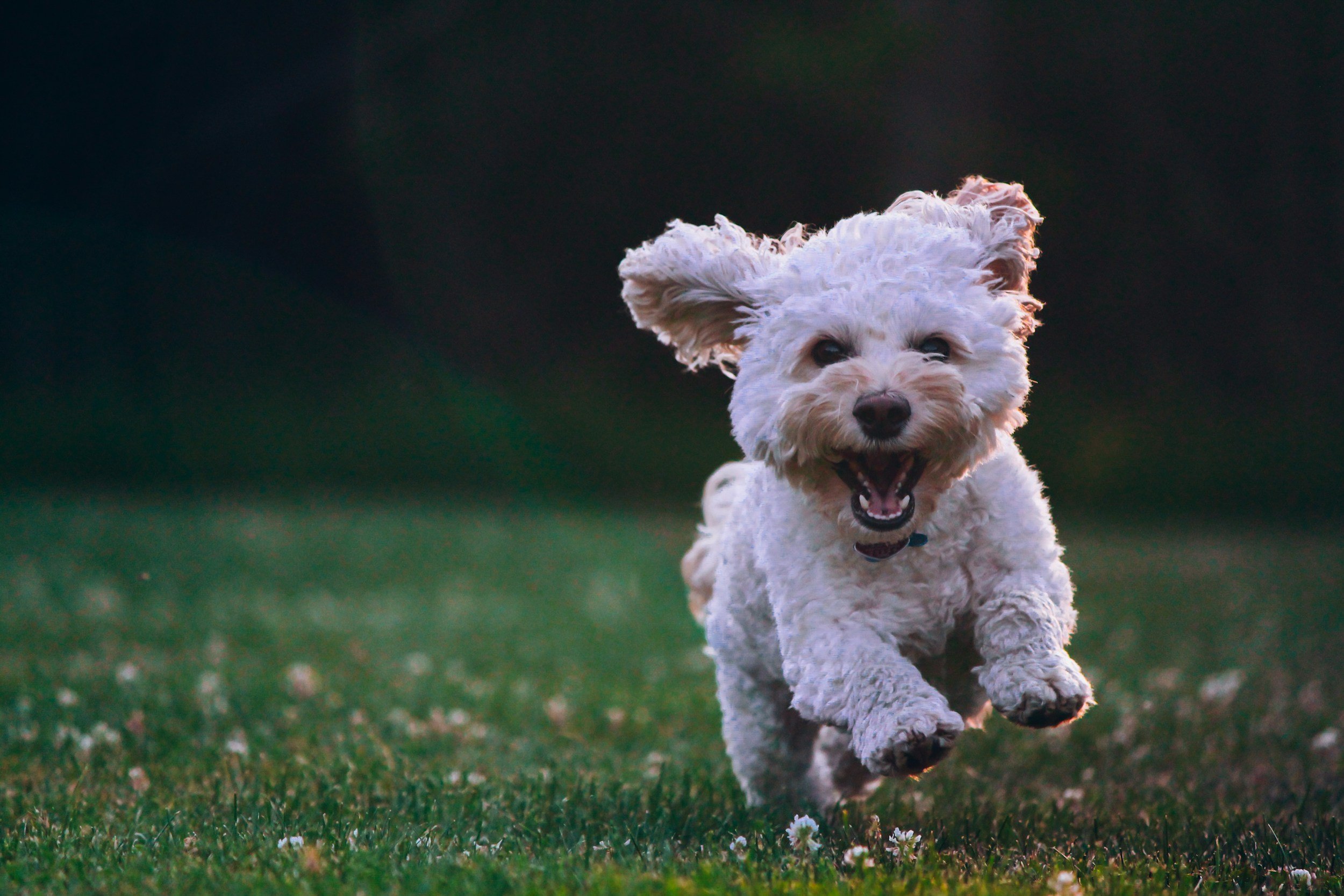
When Dogs Cause Fear: Recognizing Cynophobia in Kids and Teens
Dogs can bring joy, companionship, and comfort into a family’s life. For many children and teens, however, dogs are a source of fear and anxiety, sometimes to the point where they avoid parks, friends’ houses, or even walking down the street. This fear, known as dog phobia or cynophobia, can disrupt daily life and create tension within families.
As a parent, it can be painful and frustrating to watch your child freeze, cry, or panic whenever they see a dog. You may feel powerless, unsure how to help, or worried that the fear will last forever. Fortunately, with evidence-based therapy, children and teens can learn to manage their fear, regain confidence, and participate fully in everyday life.
At Austin Anxiety & OCD Specialists, we specialize in helping kids and teens overcome phobias, including dog phobia, through individualized therapy and structured programs like our Intensive Outpatient Program (IOP).
Signs and Symptoms of Dog Phobia in Children and Teens
Dog phobia goes beyond a simple dislike or nervousness around dogs. Children and teens with cynophobia may experience intense fear or panic at the sight or even the thought of a dog. This fear is usually out of proportion to the actual danger posed, persistent over time, and causes significant distress or avoidance behaviors.
Common Signs of Dog Phobia in Children
Parents may notice a range of behaviors in kids with dog phobia, such as:
Crying, screaming, or clinging to parents when dogs are nearby
Refusing to go to friends’ homes, parks, or outdoor activities where dogs may be present
Physical symptoms like shaking, nausea, rapid heartbeat, or stomachaches when encountering dogs
Excessive worry or rumination about dogs, sometimes even imagining dog attacks
Avoidance of activities that may involve dogs, such as birthday parties, summer camps, or family walks
Nightmares or sleep disturbances related to dogs
Freezing in place or panicking when a dog approaches
Excessive reassurance seeking - for example, a child may repeatedly ask if a dog will be at a birthday party, even after being told no
Common Signs of Dog Phobia in Teens
While teens may be better able to verbalize their fears, dog phobia can still significantly impact their daily life:
Avoiding social events, friends’ homes, or neighborhood walks due to fear of encountering dogs
Anxiety when pets are discussed or appear in media (TV, social media, movies)
Reluctance to attend school trips, sports events, or summer camps that may include dogs
Physical manifestations of fear, including panic attacks, stomachaches, or headaches
The Emotional and Practical Impact on Families
Dog phobia doesn’t only affect the child or teen; it often impacts the entire family. Parents commonly describe feelings of powerlessness, frustration, and guilt, while siblings and other household members may experience stress or disappointment. Common ways dog phobia affects families include:
Avoiding Public Spaces
Families may skip trips to the park, outdoor events, or neighborhood walks to prevent meltdowns, limiting social and recreational opportunities for everyone.
Neighborhood and Community Dogs
Children may refuse to play outside, ride bikes, or visit friends’ homes because dogs roam freely in the neighborhood. Parents often feel constantly on edge, restricting outdoor activity and impacting the child’s independence.
Skipping Social Activities
Birthday parties, sleepovers, or family gatherings may be avoided if dogs are present, creating additional social isolation for the child.
School and Extracurricular Challenges
Fear of dogs can affect field trips, sports activities, and school events. Parents may need to explain the phobia to teachers and advocate for accommodations.
Daily Life Disruptions
Dog phobia can make simple routines, such as grocery shopping, walking to school, or visiting friends’ homes, stressful. Children may insist on sitting in a specific spot in the car or home to feel “safe,” impacting household routines and siblings. Parents may constantly scan for dogs, increasing family stress and hyper-vigilance.
Sibling Frustration and Household Tension
Siblings may feel overlooked or resentful because their preferences are secondary to the anxious child’s avoidance. Conflicts can arise if one child wants a dog while another is terrified. Blended or step-families may face additional challenges if a child refuses to enter a home with a dog, creating tension during family activities.
Fear of Judgment
Parents may worry about how teachers, friends, or family members perceive their child. Some fear the child will be labeled as “overly dramatic” or “difficult,” which adds to parental anxiety and stress.
Unintended Guilt or Shame for the Child
Children may feel embarrassed about their phobia, particularly if siblings, friends, or relatives tease them or do not understand the intensity of their fear. This can increase social anxiety, making avoidance even more entrenched.
Causes of Dog Phobia in Children and Teens
Understanding why a child develops a fear of dogs can help parents approach treatment with empathy and guide therapy effectively. While every child’s experience is unique, common contributing factors include:
1. Past Traumatic Experiences
Children may develop a dog phobia after a negative encounter, such as:
Being bitten, chased, or startled by a dog
Witnessing a frightening incident involving a dog
Even a single traumatic experience can create lasting fear, particularly if the child has a naturally anxious temperament.
2. Observational Learning
Children often learn through observation. If a parent, sibling, or peer reacts fearfully to dogs, a child may imitate that response, developing anxiety even without a direct traumatic experience.
3. Temperament and Genetics
Some children are naturally more prone to anxiety due to their temperament, sometimes called behavioral inhibition. Genetics can also play a role, as children with a family history of anxiety or phobias may be more susceptible to developing fears, including dog phobia.
4. Media and Environmental Influence
While less common as a primary cause, exposure to media depicting aggressive or frightening dogs, such as movies, TV shows, or online videos, can reinforce or amplify a child’s existing fears. Media exposure alone rarely causes a phobia but can make a fearful child more anxious about encountering dogs in real life.
5. Reinforcement Through Avoidance
Avoiding dogs may feel protective in the short term, but repeated avoidance strengthens fear over time. Children learn that staying away prevents anxiety, which makes it harder for them to gradually face dogs and overcome their phobia.
By understanding these contributing factors, parents can approach dog phobia with patience, empathy, and informed strategies, setting the stage for effective treatment through therapy and structured support.
Why Dog Phobia Can Worsen Without Treatment
Dog phobia, or cynophobia, isn’t just a temporary fear. If left untreated, dog phobia can significantly impact a child’s or teen’s development, daily life, and family dynamics. Understanding these risks highlights why early, evidence-based therapy is so important.
1. Social Impact
Children with dog phobia may avoid friends’ homes, parks, playgrounds, or community events out of fear of encountering dogs. This avoidance can limit opportunities to form friendships, practice social skills, and participate in normal childhood experiences.
2. School Impact
Fear of dogs can interfere with school activities such as field trips, group projects, or outdoor recess. Children may miss out on important educational and social experiences, which can affect confidence, learning, and peer relationships.
3. Physical Health Effects
Dog phobia often triggers chronic stress and anxiety, which can show up as headaches, stomachaches, rapid heartbeat, or sleep difficulties. Panic or stress-related symptoms can affect overall well-being and make daily routines more challenging.
4. Self-Esteem Challenges
Children and teens may feel embarrassed, ashamed, or “different” because of their fear. They may worry about being teased by siblings, friends, or classmates, which can increase social anxiety and reinforce avoidance behaviors.
5. Family Stress
Persistent avoidance behaviors can place strain on family routines and relationships. Parents may feel torn between protecting their child and encouraging exposure to fear, while siblings may feel overlooked or frustrated. Families may adjust travel routes, household chores, or social activities to accommodate the child’s phobia.
Early Intervention Matters
Evidence-based treatments, including cognitive-behavioral therapy (CBT) and exposure therapy, are most effective when started early. Early intervention helps children and teens gradually face their fears, reduce avoidance, and build confidence, preventing long-term anxiety patterns from taking hold.

Treatment Options for Dog Phobia in Kids and Teens in Austin
At Austin Anxiety & OCD Specialists, we use individualized, evidence-based treatments to help children and teens manage dog phobia. Treatment is tailored to age, severity of the phobia, and family involvement.
Individual Therapy for Dog Phobia in Children and Teens: Austin, Texas
Individual therapy for children and teens with dog phobia at Austin Anxiety & OCD Specialists often combines Cognitive-Behavioral Therapy (CBT), gradual exposure, and Acceptance and Commitment Therapy (ACT) strategies. This approach helps children face fears, regain confidence, and participate fully in daily life.
Cognitive Strategies: Noticing Thoughts Without Judgment
Children learn to observe anxious or worrisome thoughts, such as “This dog will bite me,” without judging themselves or pushing the thoughts away.
They begin to recognize patterns in how thoughts, emotions, and avoidance behaviors are connected, understanding how fear drives behavior.
Children learn how to accept that anxiety is a normal part of experience and that feeling afraid doesn’t mean something bad will happen. This reduces the power of fear over time and encourages resilience.
Behavioral Strategies: Values-Based Action and Gradual Exposure
Children engage in meaningful activities aligned with their values, such as playing outside, attending social events, or spending time with friends, even while feeling anxious. This builds courage and confidence despite fear.
Gradual Exposure: Children learn how to interact with dogs step by step in a safe, controlled environment:
Looking at pictures or videos of dogs
Observing calm dogs from a distance
Practicing approaching a friendly, well-behaved dog
Exposures are repeated and paired with positive reinforcement to strengthen progress and reduce avoidance behaviors.
Parent Coaching and Support
Parents learn how to support exposure exercises at home without inadvertently reinforcing fear.
Guidance focuses on helping children approach fear in small, manageable steps and encouraging actions that reflect their personal values.
Parents model flexibility and acceptance of uncertainty, showing children that anxiety is a normal emotion that doesn’t have to dictate behavior.
For children who aren’t ready or willing to actively participate in therapy, programs like SPACE (Supportive Parenting for Anxious Childhood Emotions) provide structured guidance for parents to reduce accommodating behaviors, encourage independence, and support gradual progress at home.
Intensive Outpatient Programs (IOP) for Dog Phobia: Austin, Texas
For severe or persistent dog phobia that significantly disrupts daily life, IOP for kids and teens can provide a structured, intensive approach to recovery. IOP is particularly well-suited for children and teens who are motivated for more rapid progress.
Key features include:
Structured sessions multiple days per week to practice exposure and coping skills in a consistent, supported environment
Individualized therapy with highly trained clinicians specializing in anxiety and phobias
Family involvement to reinforce progress at home and provide education about phobia management
IOP is ideal when fear has led to avoidance of school, social activities, or essential routines, helping children regain independence and confidence more quickly than traditional weekly therapy.
Next Steps: Take Action for Your Child Today
If your child or teen struggles with dog phobia, you don’t have to face it alone. At Austin Anxiety & OCD Specialists, we provide:
Individual therapy for children and teens experiencing dog phobia
Intensive Outpatient Programs (IOP) for moderate to severe anxiety or dog phobias
Parent coaching and support to reinforce therapy progress at home
Take the next step today: schedule a consultation to learn how our experienced clinicians can help your child overcome fear of dogs, gain confidence, and enjoy life without anxiety holding them back.